

Fibreglass HVAC Filter
Pre Filters
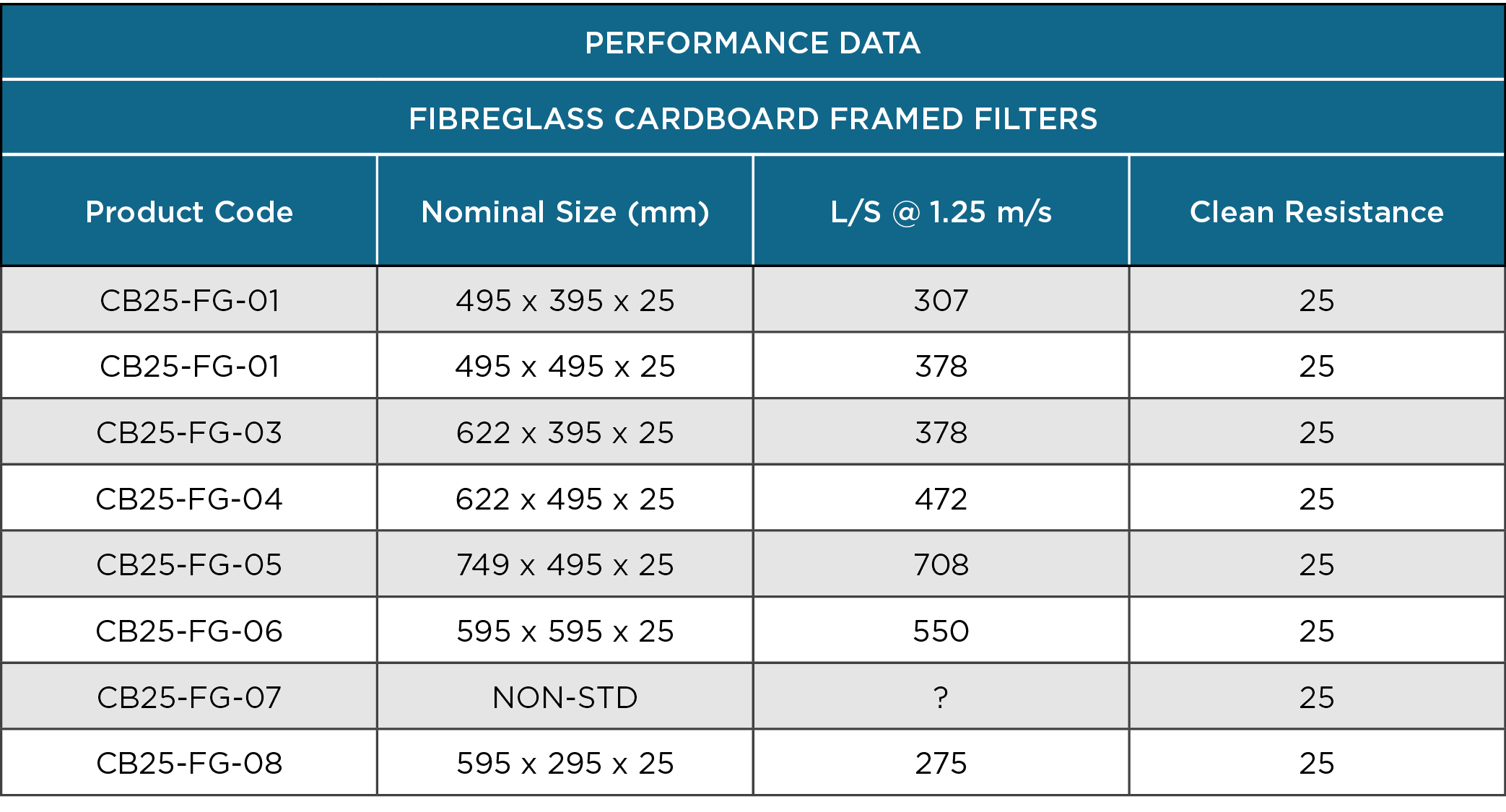
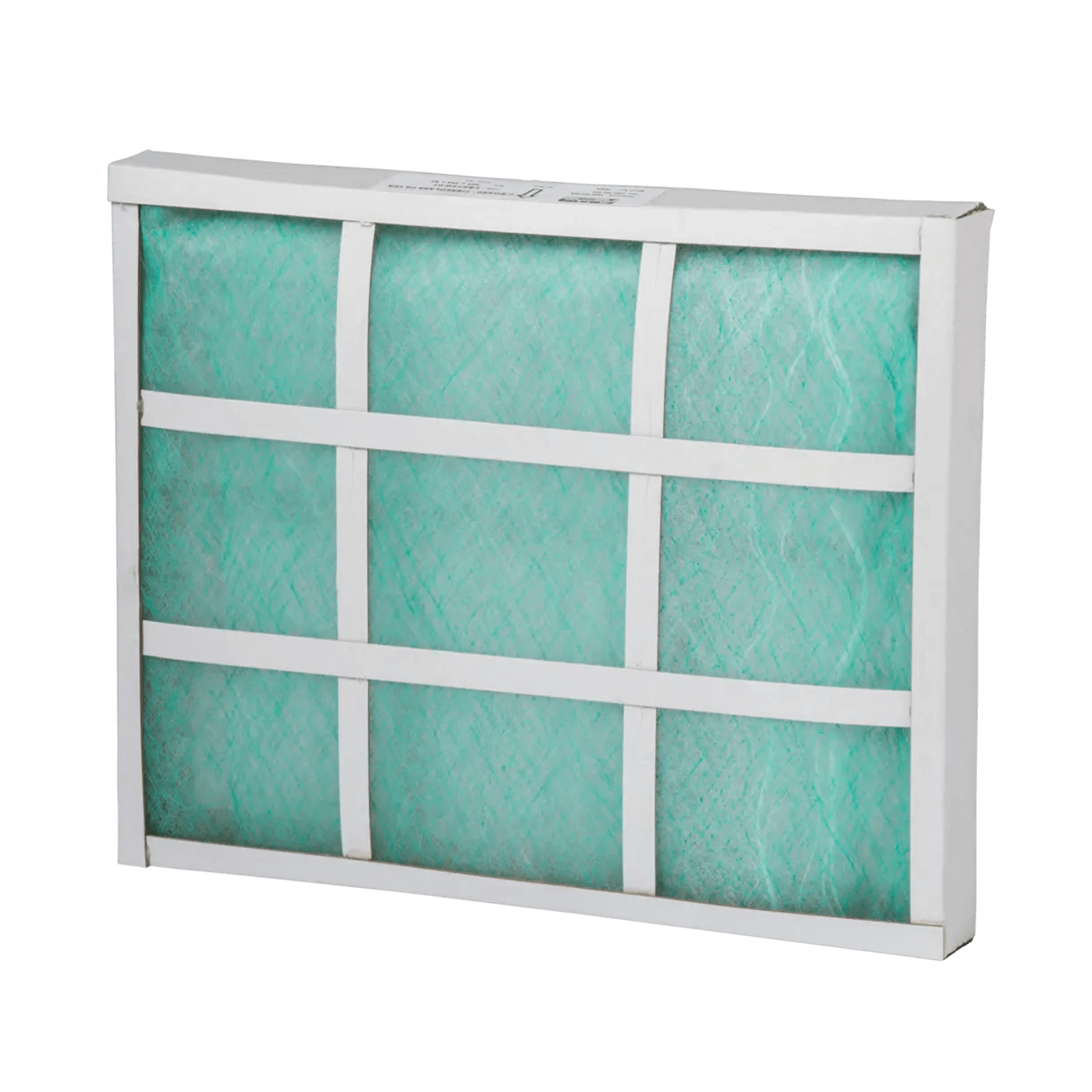
The Rainbow Filters fibreglass panel filter employs specially designed glass fibre mats manufactured in Australia solely for Rainbow Filters Pty Ltd
The filter pads are constructed from resilient, non-felting glass fibres which are resistant to most chemicals. These mats are mounted in a cardboard frame.
An efficient, inexpensive throwaway unit having a very high dust holding capacity and low resistance to air flow, the Fibreglass filter reduces both initial costs and maintenance.
Specifications
Advantages
Lower pressure drop
Easy to install in a wide range of HVAC systems
High moisture resistance
Cost savings
Extended life span
Applications
Pre-filter ventilation systems
Factories
Residential, commercial & industrial areas
What is a Fibreglass Filter?
A fibreglass filter is a disposable air filter made from layered fibreglass material designed to trap larger airborne particles such as dust, lint, and debris. A fibreglass air filter is commonly installed in HVAC systems as a first-stage filter to improve system cleanliness and reduce load on downstream filters.
These fibreglass HVAC filter systems are widely used in commercial buildings where consistent airflow and basic filtration are required without restricting system performance.
Product Highlights
Lightweight fibreglass filter for high airflow systems
Durable and cost-effective fibreglass air filter solutions
Protects HVAC components from dust and debris
Efficient pre-filtration in commercial and industrial HVAC systems
Easy to install and replace fibreglass filter
Reduces maintenance and extends lifespan of advanced filters
Suitable for air handling units and mechanical ventilation systems
Compatible with standard HVAC frame sizes
What is a Fibreglass Filter?
A fibreglass filter is a flat-panel air filter made from layered fibreglass material designed to capture larger airborne particles. A fibreglass air filter is typically installed in the first stage of an HVAC system to prevent dust and debris from entering sensitive components.
Fibreglass HVAC filters are widely used in commercial buildings and industrial facilities as an affordable, disposable solution that ensures airflow remains unobstructed while protecting downstream equipment.
Applications of Fibreglass Air Filters
A fibreglass filter is used in a variety of environments including:
Commercial office buildings
Schools and universities
Hospitals and healthcare facilities
Manufacturing plants and warehouses
Air handling units in hotels and hospitality venues
Fibreglass filters are especially effective as pre-filters for high-performance systems, protecting more sensitive HEPA or activated carbon filters downstream.
FAQs
-
A fibreglass filter is used in HVAC systems to capture large particles like dust, lint, and debris. It is typically installed as a first-stage pre-filter to protect downstream components and maintain airflow efficiency in commercial and industrial systems.
-
A fibreglass air filter works by forcing air through layered fibreglass media. Large particles are trapped within the fibres while cleaner air passes through. This protects the HVAC system from contamination and helps maintain consistent airflow performance.
-
Fibreglass HVAC filters are widely used in offices, schools, hospitals and hotels. They are ideal for systems that require pre-filtration to extend the life of more sensitive downstream filters such as HEPA or activated carbon filters.
-
A fibreglassf ilter should be replaced every 30–60 days depending on system usage and air quality. In environments with higher dust loads, more frequent replacement may be necessary to maintain airflow and system efficiency.
-
No, filters are primarily designed for larger particles and debris. For fine particle or high-efficiency air filtration, HEPA panel filters or activated carbon filters are recommended downstream of the fibreglass filter.
-
Yes, properly installed and regularly replaced fibreglass HVAC filters reduce strain on fans and air handling units by maintaining unobstructed airflow. This improves system efficiency, reduces energy costs, and prolongs the life of downstream filtration components.
Maintenance & Replacement of Fibreglass Filters
A fibreglass filter should be replaced regularly to ensure consistent HVAC performance. Replacement is typically every 30–60 days, depending on air quality and system usage.
Fibreglass air filters should be inspected for visible dust buildup and airflow restriction. Timely replacement of filters helps maintain energy efficiency, prolongs the life of the HVAC system, and prevents unnecessary wear on downstream filtration media.